Water Test for Roof Leaks: What It Is and When It's Necessary
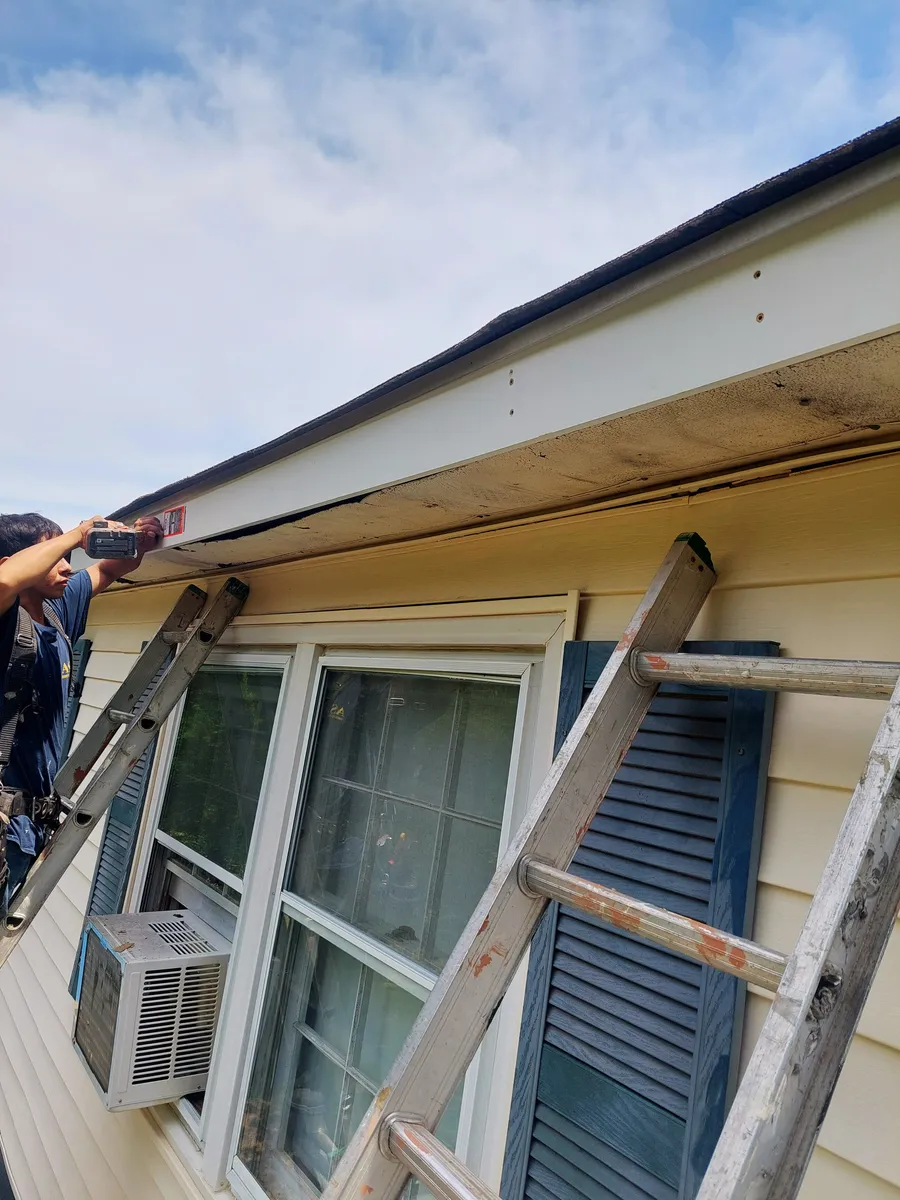
One of the worst fears that homeowners face is roof leaks of any kind. Leaking water is one of the most severe home damages you can be faced with. Not only can leaks damage the structural and foundational integrity of your house, cause aesthetic harm that can drop your home’s value, and potentially lead to property loss, but they can also lead to mold buildup that could compromise the health and safety of your family.
Don’t let a small problematic leak become a costly emergency down the line if left untreated. Here are some tips and tricks from professionals in the field on how to identify if a potential roof leak is starting to affect your home.
The Causes of Roof Leaks
The most important step in this discussion when tackling this issue is understanding the root causes of roof leaks. Learning the potential source of the problem will help you identify what to look out for if you suspect there is a problem impacting your roof, or help you catch it before leakage occurs. Many of these issues are easy to check and identify and can be taken care of for a small cost before they have the potential to become expensive.
1) Weather Hazards
Weather is the biggest and most prominent cause of damage for roofs that impacts almost every other cause on this list. Roofs are the one part of your house that faces the elements head-on every day, whether it be harsh sunlight, downpours, hail, wind, or debris of varying sizes. Regardless of the maintenance of your roof, it will slowly degrade overtime causing the likelihood of your roof to leak to increase with every passing year.
However, even accounting for modern durable roof designs, sometimes damage will occur no matter how much you try to prepare for it. Heavy rain/snow can force its way into your house through water seepage, while wind can increase the power of falling rain, potentially damaging your roof. Weather can be unpredictable, but it is important to consider it as a potential cause of leakage whenever a heavy storm occurs.
2) Damaged or Clogged Gutters
Damaged or clogged gutters can be a covert reason as to why your roof is potentially leaking. Clogged gutters can lead to rainwater pooling inside the gutter channel. The resulting overflow of water can seep and leak into your house, accelerating the deterioration/rotting of your roof or even destroying your foundation.
Backed-up water can also lead to problems with ice dams. Under frigid conditions, ice dams can form where the constant cycle of snow/ice refreezing and melting will force water buildup under your shingles, leading to leakage. Ensure that your gutters are checked regularly to guarantee that water is being diverted away from your roof.
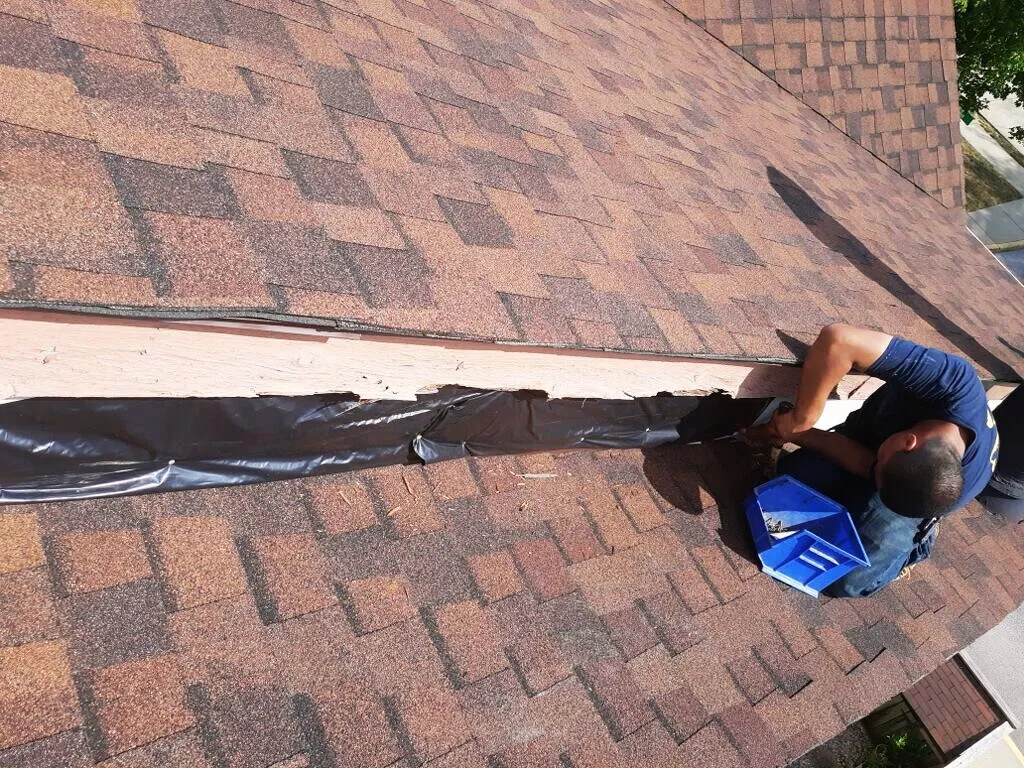
A contractor secures protective material along the roof ridge during a repair or installation. 🏠🔧
3) Poor Roofing Installations
Sometimes, roof leaks are out of your control and can be caused by faulty/defective roofing installations or inadequate roofing repairs. Many factors on roofing installations could be the reason your roof is leaking, whether it be cracked flashing (chimneys, roof lights, vents), missing/broken shingles, poorly done sealing, or incorrect nail placement, which can lead to water having access points into your home. If you suspect that your roof was improperly installed, call a professional contractor to identify the problems with your roof so that you can fix the problem quickly and seamlessly.
4) Poor Ventilation/Condesation
The last major issue that will increase the likelihood for leakage is from poor ventilation. This is because poor ventilation allows for moisture/condensation to become more prevalent in your roof. This moisture can build up within the enclosed space of your roof, resulting in mold/mildew buildup mimicking damage similar to leaking water. This will naturally lead to your roof rotting and deteriorating overtime in turn causing your shingles to age and break at a faster rate. With the only layer of protection of your roof slowly becoming ineffective, this will naturally lead to the creation of access points for water to enter your house. To combat poor ventilation issues, call a team of HVAC experts to install the appropriate ventilation solutions that will help lower/control the moisture buildup in your roof.
How to Know If Your Roof Is Leaking
Now that we have identified the common causes for roof leaks, how can we accurately check to see if our roof is currently being affected by water damage? There are many signs that your house is facing damage due to leakage that can be easily recognized with proper knowledge and foresight. However, detecting roof leaks early on is still difficult, with signs not just being standard dripping water.
It’s important that we tackle the problem immediately before a major restoration effort and a big sum of money is required to fix the issue. It’s not just your house, but it’s also your health that is on the line when leaving roof leaks unresolved.
Ceiling Stains
Seeing a yellow brownish stain or bubbling walls can be an early indicator that there is water damage occurring in your ceiling. If the stains continuously grow every time there is a rainstorm, it’s safe to assume that a roof leak is affecting your house.
However, this could just point to moisture/ventilation issues rather than being a roof leak. You should still call a professional crew to inspect your roof so that these issues don’t continue to worsen, as it could develop into mold buildup that could spread to other parts of your house if left unchecked.
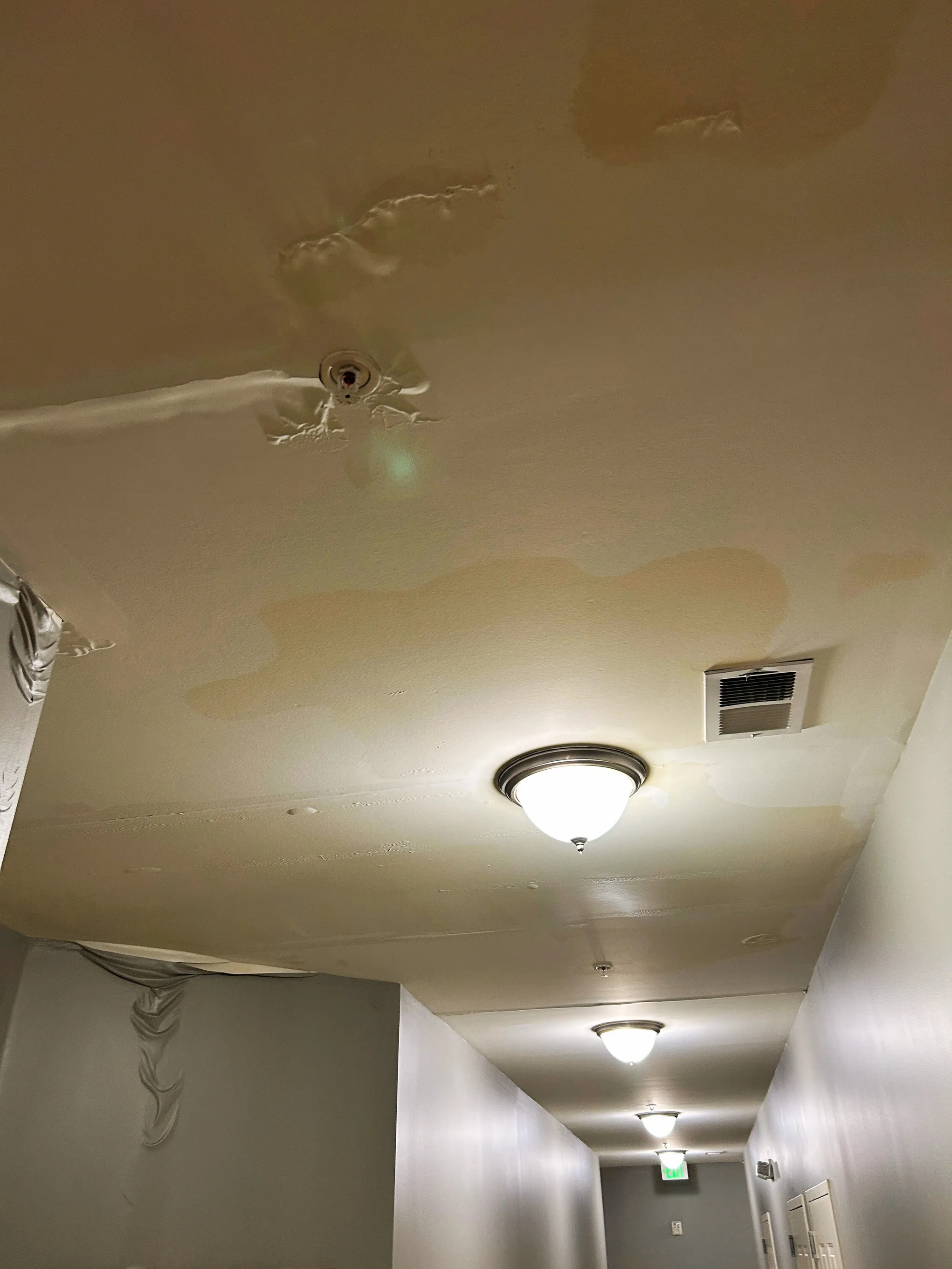
Water damage visible on a hallway ceiling, with staining and bubbling drywall around lights and a sprinkler head. 🚧💧
Declining Shingle Health
If your roof has any broken, missing shingles, or shingles that are buckling up instead of lying flat, it’s highly likely that water is leaking into your house. Without the standard layer of protection that your shingles provide to your roof, there is nothing blocking water from seeping into your roof.
Broken Flashing
Damaged flashing is typically a dead giveaway that water is leaking into your house. The purpose of flashing is to redirect water away from at-risk areas of water infiltration, such as a chimney, skylights, and where walls meet the roof, so water doesn’t seep into your house. With that protective layer damaged, water will most certainly be able to seep into your roof and likely lead to leakage and roof deterioration if left untreated.
Musty/Mildew Smell
If a musty smell is permeating through your house without any noticeable signs as to where it could be coming from, there may be water damage that is ongoing in your house. This indicator is a bit subject to variability, however. The mildew odor might be a sign that water damage is occurring in your house, but it may be coming from a different source unrelated to your roof.
It’s important to exercise caution and check your attic/roof for potential spots where water can creep its way into your house. If you’re still unsure, make sure to look for the other listed signs of water damage in your house to confirm any of your suspicions.
Moisture/Mold Buildup
Condensation/moisture buildup in your house can be an accurate sign that points to your roof potentially leaking. When you go into your attic, if you can immediately feel a feeling of dampness in the roof, make sure to check the structural skeleton to see if there is any mold buildup or rotting affecting the wood. If so, then there is ventilation issues affecting your roof. Condensation causes your roof to sustain continual damage allowing for holes or passageways to form where water can leak through overtime.
Other signs that point to there being moisture issues can be found around your house. If your windows collecting water, paint bubbling, and warped floors can point to there being leakage. Use a moisture meter to check moisture levels in your house if you suspect that you have moisture/ventilation issues. Keep in mind, these last indicators could also be the result of drainage or plumbing issues.
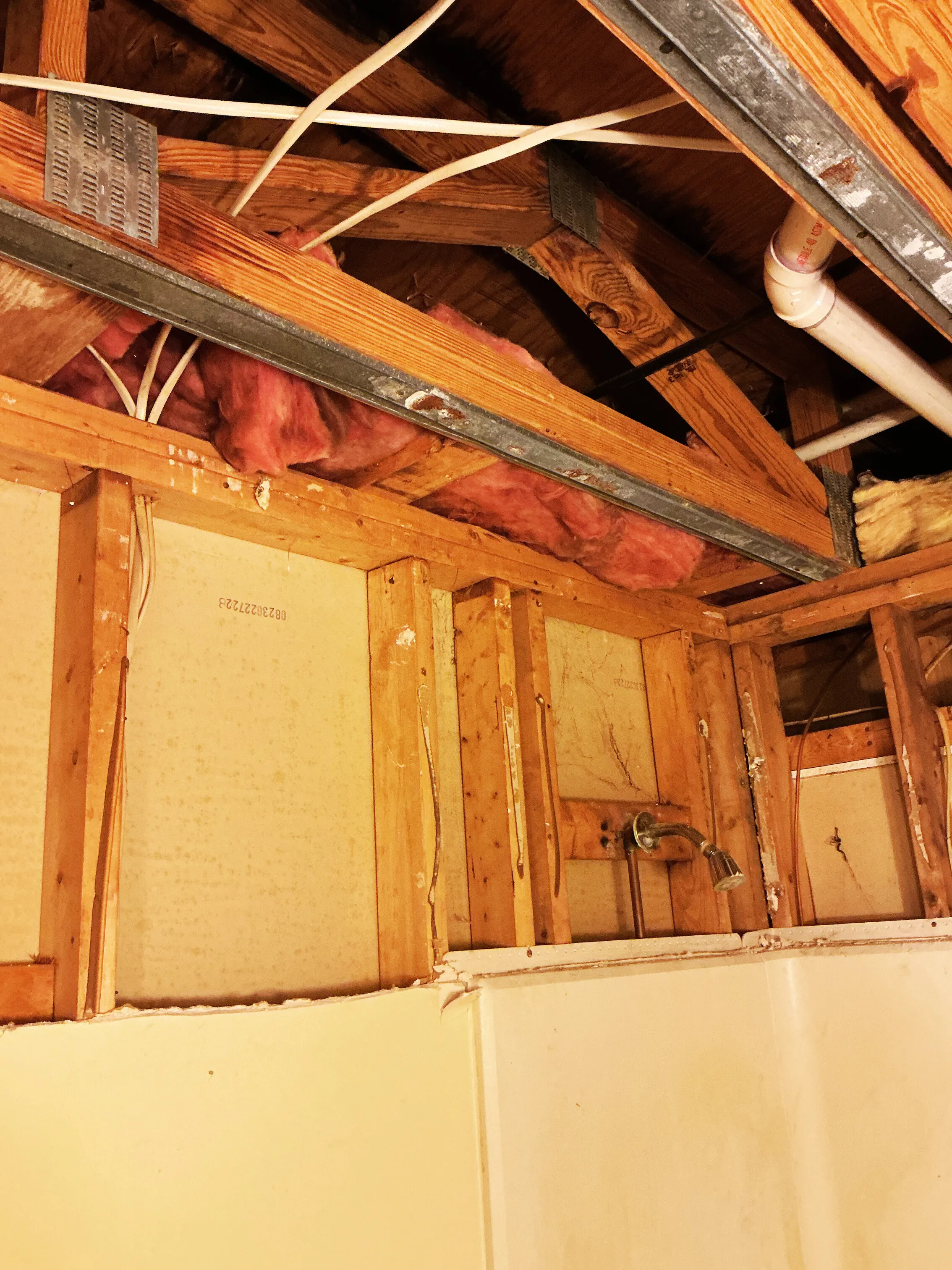
Bathroom wall opened during renovation, exposing wood framing, plumbing, and insulation above the shower. 🚿🔧
Water Test/Inspections
To check definitively if you have any issues involving your roof leaking, you should apply water test practices to get definitive proof that your roof is not adequately protecting your home from water. Ask someone to assist you with this test. Go on top of your roof with a hose, start spraying water onto your roof or wherever you suspect the hole is on your roof, have the other person stand in the attic, and ask them to report if they can see any water leaking through the roof from your house.
Another simpler way to identify a leak is to just check your attic. Make sure to check the weather for a storm coming into your area and plan accordingly. When it is raining or after a rainstorm runs through your area, go up to your attic and see if there is any water that has found its way into your attic. Keep in mind to not just check for visual indicators of water damage, but to also to listen for sounds such as dripping water to get accurate information that your roof is leaking.
The Dangers of Ignoring Roof Leak Damage
Beyond the significant costs associated with roof repairs, why should a homeowner prioritize fixing a damaged roof? Prompt action is essential not only for the structural integrity of your property but also for the safety and well-being of your family. Neglecting a leak can trigger a cascade of health and safety issues; protecting your home means protecting yourself.
Water damage rarely stays confined to the attic. It can trickle down to compromise your home’s structural stability, accelerating the degradation of the wooden framework. If left to fester, these issues can lead to exorbitant repair bills or, in extreme cases, the need for a complete structural overhaul to keep the home habitable. If you suspect water is undermining your home’s bones, immediate intervention is vital. Inaction risks making the space unsafe and will inevitably tank your property value. Keep a sharp eye out for water stains, warping, or sagging ceilings as early warning signs.
Furthermore, roof leaks create the perfect environment for mold and mildew to flourish. Once established, spores can circulate through your HVAC system, leading to a variety of respiratory issues. While symptoms vary, inhabitants often experience asthma attacks, chronic coughing, or heightened allergies. In more severe cases, toxic mold can lead to long-term complications like persistent fatigue and infections. To safeguard your family, conduct periodic inspections to ensure leaks aren’t giving mold a foothold in your living space.
What Do I Do Now?
Now that you have identified that your roof is suffering from a water leak, what should you do now to get the issue situated? The first point of action is to remain calm. Make sure not to stress and toil in your mind over the potential costs that are about to be put on you. Instead, take action on what you can do in the moment to ensure the safety of your house rather than let it further degrade.
1) Protect Your Belongings
Your first priority when dealing with a roof leak is to check your personal belongings that could have been affected by the water. Check to see how much water damage each item has sustained, make a pile for items that need to be thrown away, a pile for items that need to dry out, and then move all of the non-damaged items to a different location of your house where they aren’t in the path of the leakage. Make sure to exercise caution when moving over water-damaged items, especially plugged-in electronics.
2) Contain the Source
When you have identified where the source of the water is coming from in your roof, be swift to act. Grab a bucket or a bin to catch the dripping water before it spreads to more of the inside of your attic. Make sure that these containers don’t have any holes and put them underneath where the source of the water is coming from.
3) Implement a Quick Fix
The next action you should take is to find an easy fix to plug the hole to mitigate the leaking water. Remove the wet insulation. Get something big enough to block the hole in your roof to prevent more water from leaking into your house, such as using a piece of wood, a new replacement shingle, or a piece of galvanized sheet metal using a sealant to keep it from moving. However, only block the opening if it’s not raining to avoid injury from slipping off your roof. This is mainly to buy you time to call a professional rather than be a full blown solution to fixing your roof.
4) Call Professionals and Schedule an Inspection
Once the quick fix has been implemented and the leak has been contained for the time being, go online and search for your local roofing/contracting expert. Schedule an inspection to see what options you have for possible solutions and see what the timeline is to get these fixes implemented. Doing DIY roof repairs is not recommended by us.
Also, it’s important to schedule an inspection to see how much the water damage has impacted your whole roof, in case you need a brand new roof installation if the damage is irreversible. Ensure that you have proper documentation of the state of your roof, taking photos for your insurance company.
If you’re looking for local experts in your area, call Assured Services Incorporated to fix your roof today. We have been doing roof repairs and water mitigation for almost 4 decades and are here in your time of need. Schedule a quote today.